

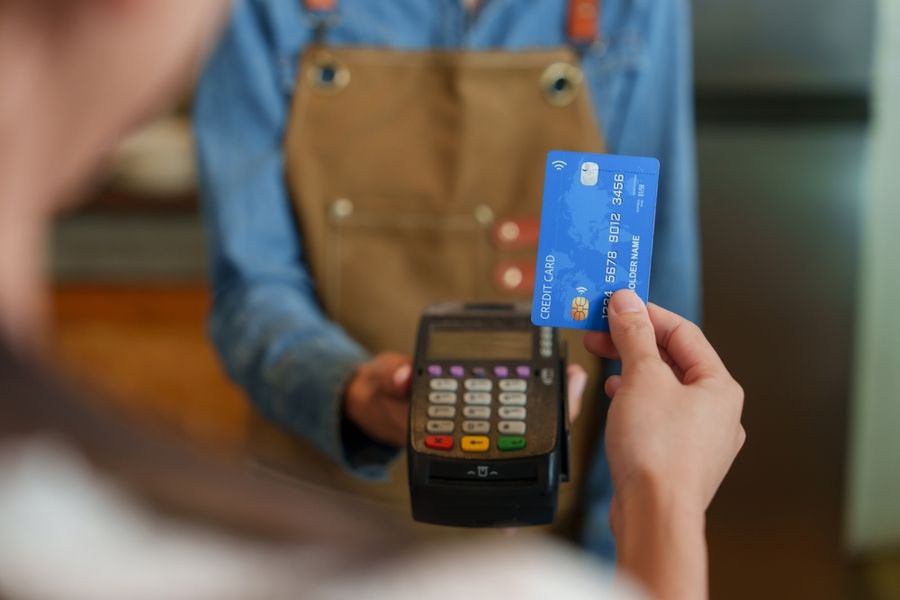
Swiping a credit card feels instant. A beep, a quick approval message, and the transaction seems complete. Behind that simple moment, though, a complex system springs into action, moving information and promises of payment across multiple companies in seconds. Banks, payment networks, and processors all play a role, even though none of it is visible at the checkout counter. Understanding what happens after a swipe turns an everyday action into a surprisingly coordinated financial exchange.
The Moment the Card Is Swiped
When a credit card is swiped, the payment terminal reads data stored on the magnetic stripe or chip. That data includes the card number, expiration date, and security information needed to identify the account. The terminal packages the information with the purchase details and sends it securely to the merchant’s payment processor. All of this happens almost instantly, even though it involves multiple steps.
At this stage, no money has moved yet. The swipe simply begins a request for permission to charge the account. Think of it as asking the card issuer whether the purchase can go through. The speed of modern networks makes this feel instantaneous, but it’s really the start of a short conversation between several financial systems working together.
The Role of the Merchant and Payment Processor
The merchant’s payment processor acts as the middleman between the store and the broader payment network. Once the card data reaches the processor, it’s routed to the appropriate card network, such as Visa or Mastercard. The processor doesn’t decide whether the transaction is approved; it simply ensures the information gets to the right place quickly and securely.
Payment processors also handle technical details like encryption, fraud checks, and formatting data so it can be understood by different banks. For merchants, this step is critical because it allows them to accept card payments without directly interacting with every issuing bank. From the customer’s perspective, this layer stays invisible, even though it plays a major role in making card payments smooth and reliable.
Card Networks and Issuing Banks Step In
Once the transaction reaches the card network, it’s forwarded to the issuing bank—the financial institution that provided the credit card. The issuing bank is responsible for deciding whether the transaction should be approved or declined. It checks whether the account is active, whether available credit can cover the purchase, and whether anything about the transaction looks suspicious.
If everything checks out, the issuing bank sends an approval message back through the card network and payment processor to the merchant’s terminal. This entire exchange usually takes just a few seconds. When approval appears on the screen, the bank places a temporary hold on the account for the purchase amount. That hold reduces available credit, even though the transaction hasn’t fully settled yet.
Authorization vs. Settlement: Why Timing Matters
Authorization and settlement are two separate phases of a credit card transaction. Authorization is the approval step that happens at the register. Settlement happens later, often at the end of the business day, when the merchant submits approved transactions in a batch. During settlement, the issuing bank transfers funds to the merchant’s bank, minus processing and interchange fees.
This delay explains why transactions may appear as “pending” on an account. The hold from authorization remains until settlement is complete. If a transaction is reversed before settlement, the hold usually drops off without turning into a posted charge. Understanding this distinction helps explain why balances and available credit can change even when no new swipes occur.
Why Transactions Can Be Approved or Declined
An approval doesn’t just depend on having enough available credit. Issuing banks use fraud detection systems that analyze spending patterns, locations, and transaction behavior in real time. A perfectly affordable purchase can still be declined if it doesn’t match typical account activity or triggers a security rule.
Declines can also happen due to technical issues, outdated card information, or temporary network disruptions. While it can feel frustrating at the register, a decline is often a protective measure rather than a judgment on financial standing. Once the issue is resolved, future swipes usually proceed without trouble, following the same behind-the-scenes process.
How Swiping Compares to Chip and Tap Payments
Swiping is just one method of initiating a card transaction. Chip and contactless payments follow a similar overall path but add extra layers of security. Chip cards generate unique transaction codes, making copied data far less useful for fraud. Contactless payments rely on short-range communication and often include additional authentication steps.
Even with newer payment methods, the core process remains the same: card data travels through processors and networks to the issuing bank for approval. The difference lies in how information is transmitted and protected. Swiping persists largely because it’s familiar and widely supported, even as technology continues to evolve around it.
From Swipe to Settlement: Seeing the Full Picture
A single swipe sets off a chain reaction involving merchants, processors, card networks, and banks, all working together to authorize and complete a purchase. What feels like an instant exchange is actually a carefully timed sequence of approvals, holds, and transfers that unfolds over hours or days.
Understanding this process makes everyday transactions feel less mysterious. A swipe isn’t just a gesture at a terminal—it’s a request, a promise, and a temporary agreement between multiple financial players. Once that bigger picture is clear, pending charges, approvals, and even occasional declines start to make a lot more sense.