

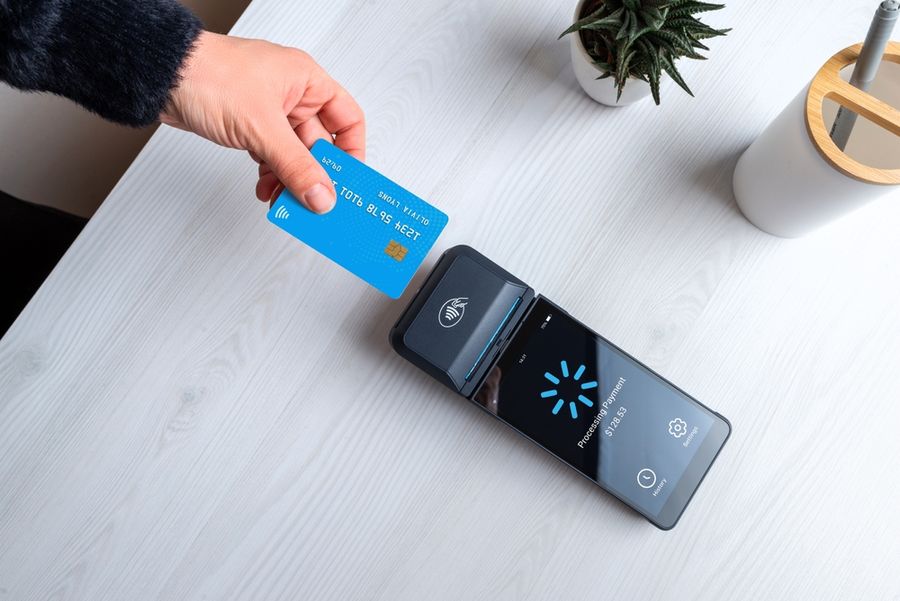
A purchase goes through, you check your banking app, and there it is: “pending.” The money looks like it’s gone, but not quite. The charge is there, but not officially there. That in-between status can feel confusing, especially when your available balance drops right away. Understanding what “pending” actually means helps make sense of how banks, merchants, and payment networks work together before a transaction fully settles.
What a Pending Transaction Actually Means
A pending transaction is a debit or credit that has been authorized but not fully processed. When you swipe your card, tap your phone, or submit an online payment, the merchant asks your bank for approval. Once approved, the amount shows up as pending while the final details are sorted out behind the scenes.
At this stage, the transaction is essentially a placeholder. It signals that money is likely to move, but the transfer has not officially “posted” to your account. Pending charges can still change before they are finalized. In some cases, they may even disappear entirely if the merchant cancels the order or adjusts the amount before completing the transaction.
Why Transactions Don’t Post Instantly
It might seem like digital payments should settle immediately, but several systems are involved. After authorization, the merchant still has to submit the finalized transaction for settlement. That process typically happens in batches, often at the end of the business day.
Banks also run internal checks before moving funds permanently. Fraud monitoring systems, verification processes, and payment network rules all play a role. If a transaction occurs on a weekend or holiday, processing may take longer because settlement systems generally operate on business days. That’s why a purchase made on Friday night might still show as pending on Monday morning.
How Pending Charges Affect Your Available Balance
Even though a pending transaction hasn’t officially posted, it still affects your available balance. When your bank authorizes a purchase, it reduces the amount of money you can spend. This helps prevent overdrafts and declined transactions caused by double-spending.
For example, if you have money in your checking account and make a purchase with your debit card, your available balance typically decreases right away. However, your current balance may still reflect the pre-transaction total until the charge posts. That difference between “current” and “available” balance is where many people get confused.
On credit cards, pending transactions reduce your available credit limit even though the charge hasn’t appeared on your official statement yet.
Common Situations Where Pending Charges Appear
Some purchases are more likely to show up as pending for longer periods. Gas stations often place a temporary hold when you pay at the pump. That hold may be for more than the final amount, and it adjusts once the transaction settles.
Hotels and car rental companies frequently place holds to cover potential incidental charges. Online purchases may stay pending until the item ships and the merchant finalizes the amount. Refunds can also appear as pending credits before officially posting.
Check deposits are another example. Even when you see the deposit reflected in your account, the bank may still be verifying the funds behind the scenes before making them fully available.
Pending vs. Posted: The Key Differences
A pending transaction is authorized but not complete. A posted transaction is finalized. Once a charge posts, the money is officially transferred and recorded in your account history.
Pending transactions can change in amount before posting. A restaurant bill, for example, may initially show the base total and then update after a tip is added. Once posted, the final number becomes permanent unless you formally dispute it.
Posted transactions appear on your monthly statement. Pending ones do not. That’s why keeping track of both categories can help you avoid budgeting mistakes. A pending hold might temporarily tie up funds even if it doesn’t ultimately settle at that exact amount.
How Long Pending Transactions Usually Last
Most pending transactions clear within one to five business days. Simple retail purchases often post within a day or two. More complex transactions, such as hotel stays or rental agreements, may take longer because the merchant needs time to determine the final charge.
Several factors influence timing. Merchant processing schedules matter. So do weekends, holidays, and internal bank policies. In some cases, security reviews may extend the pending period slightly. If a pending charge lingers unusually long, it may be worth contacting the merchant first before calling your bank. Understanding typical timelines can prevent unnecessary stress when you see money temporarily on hold.
Can You Cancel or Dispute a Pending Transaction?
Canceling a pending transaction can be tricky. Once authorization occurs, the process is already in motion. Banks generally cannot stop a pending charge unless the merchant reverses it on their end.
If you realize there’s an issue, contacting the merchant directly is usually the fastest route. If they void the transaction before settlement, the pending charge often disappears. If it posts first, you may need to initiate a formal dispute through your bank or credit card issuer.
It’s also important to remember that a pending status doesn’t always mean the charge will go through. Sometimes authorization expires if the merchant never completes the transaction.
Why “Pending” Is Actually a Protective Step
That in-between status may feel inconvenient, but it plays an important role in the payment system. Authorization confirms that funds or credit are available before the transaction completes. This protects both the merchant and the bank from unpaid charges.
For account holders, pending holds help prevent overspending. By reducing available funds immediately, the bank ensures you don’t accidentally commit money twice. While the timing can feel frustrating, the system is designed to balance speed with accuracy and security.